by Herbax Originals ✓
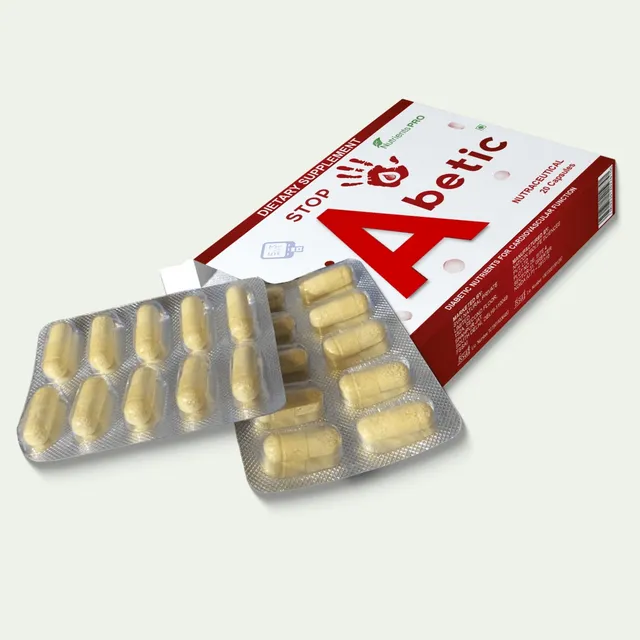
Stop Diabetic Capsules
4.794 reviews
₹2,449MRP ₹3,59032% off
Delivery in 2–5 days · COD available2–5 days · COD

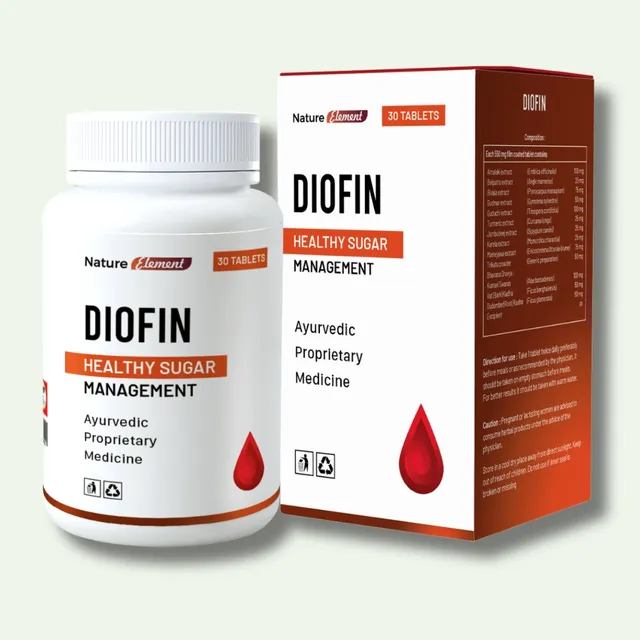
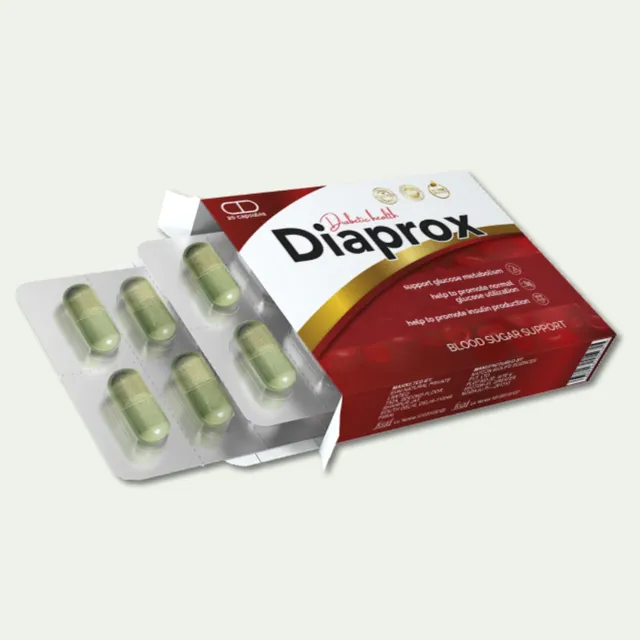
Classical bitter herbs such as karela, jamun and methi in tablets, juices and churnas, traditionally used to support healthy blood sugar levels alongside a balanced diet. Nothing here replaces prescribed medicine.
Ayurvedic wellness products support a healthy routine. They are not intended to diagnose, treat, cure or prevent any disease. If you have a medical condition, are pregnant or nursing, or take medicines, speak to a qualified practitioner first.
Products in this category bring together bitter herbs that Ayurveda has long used to support healthy blood sugar levels. They fit best as one part of a daily routine that also includes a balanced diet, regular meals and an active lifestyle. They do not replace any medicine your doctor has prescribed.
When comparing options, look at three things: the herbs in each formula, the form that suits your day, and how many days one pack covers. A blend of familiar classical herbs is often easier to understand than a long list of unfamiliar names. Some formulas also add non-Ayurvedic ingredients such as probiotics or plant extracts, so read the full ingredient list.
Follow the directions on the pack and do not take more than the stated dose. Herbal products are meant to be used steadily as part of a routine, so give them time alongside good food and activity. Store them in a cool, dry place with the lid closed. Pregnant or nursing women, children and anyone with a medical condition or on medicines should ask a qualified doctor before use. Buy from a verified seller and check the return rule before you order.
Both carry the same kind of herbs. Capsules and tablets give a fixed dose and hide the bitter taste. Churna suits people who are used to traditional powders and do not mind the taste. Choose the form you can take regularly.
Speak to your doctor first, especially if you already take prescribed medicine for blood sugar. Do not stop or change any prescribed medicine on your own. Tell your doctor about every herbal product you use.
Divide the number of capsules or tablets in the pack by the daily dose on the label. For example, a pack of 20 capsules taken two a day lasts 10 days. For churna or juice, divide the net quantity by the serving size.
Reviewed by Dr. Durga Chavan, BAMS (Reg. No. I-101312-A), Herbax Ayurveda.