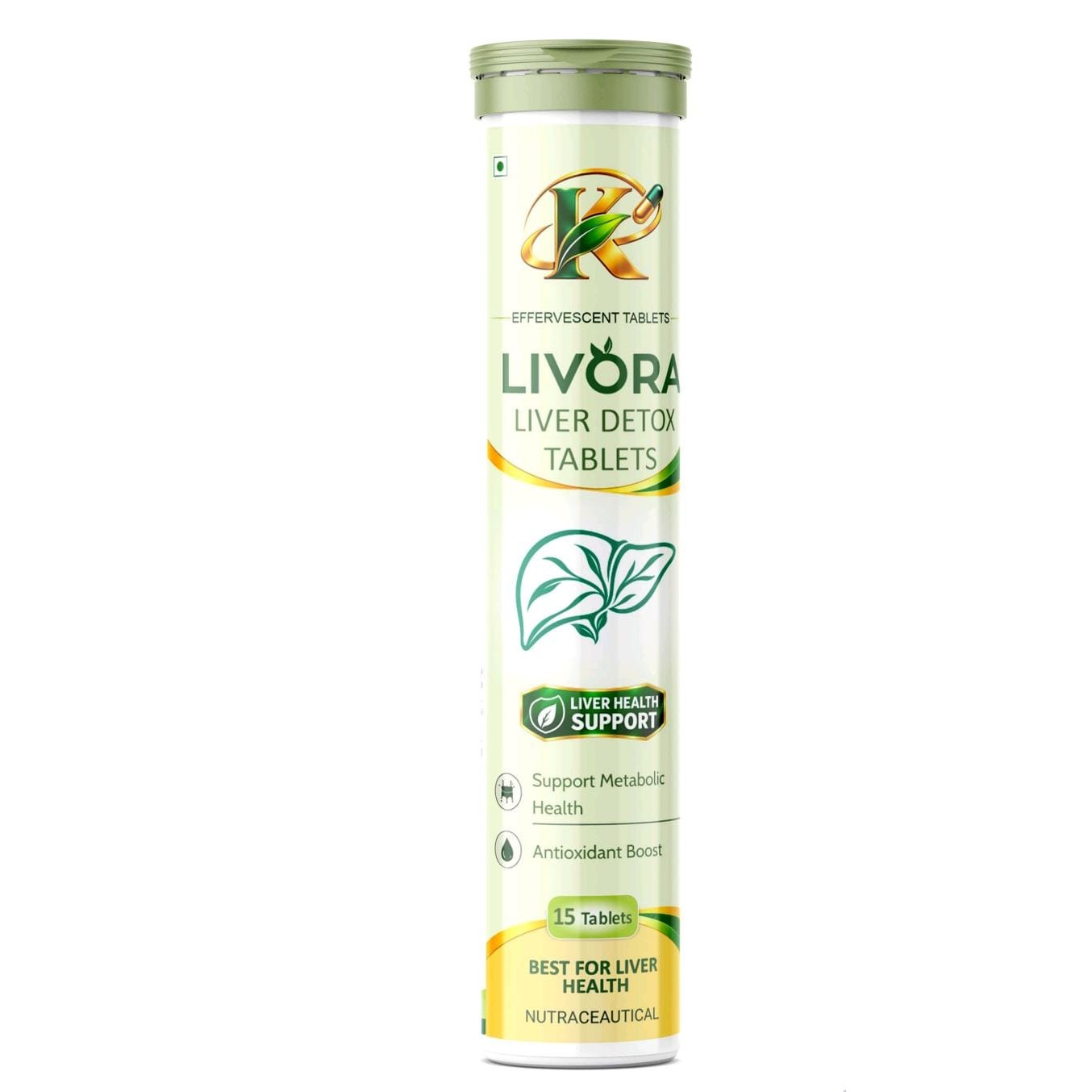
by Kulmeyr Pharmaceutical Pvt. Ltd.
Livora Liver Detox Effervescent Tablets with Milk Thistle, Lemon Mint, 15 Tablets
Label verifiedNew listing
₹199MRP ₹30134% off
Delivery in 2–5 days · COD available2–5 days · COD

Kutki, bhumyamalaki and kalmegh formulations traditionally used to support liver function and appetite.
Ayurvedic wellness products support a healthy routine. They are not intended to diagnose, treat, cure or prevent any disease. If you have a medical condition, are pregnant or nursing, or take medicines, speak to a qualified practitioner first.
Ayurvedic liver care products are usually blends of bitter herbs. In Ayurveda, they are traditionally used to support normal liver function, healthy digestion and appetite. Most packs combine three to six herbs, so start by reading which herbs are inside and in what amounts. Then pick a form that fits your daily routine. Buy from a seller who shows clear licence and batch details.
These products are meant to support general wellbeing as part of a balanced diet and lifestyle. They do not take the place of medical care. If you have any health concern, speak to a qualified doctor before you buy.
Follow the directions on the pack and do not take more than the stated dose. Herbal products work gently, so give them time as part of a steady daily routine with good food and rest. Pregnant or nursing women, children, and anyone with a medical condition or on regular medicines should ask a doctor before use. Stop and consult a doctor if you feel unwell.
Both can contain the same herbs. Capsules and tablets are convenient and avoid the bitter taste. Churna is the traditional form and suits people who are used to it. Choose the one you will take regularly.
Ask your doctor first. Some herbs may not suit every person or every medicine. Never stop or change prescribed medicine on your own.
Divide the net quantity by the daily dose on the label. For example, a pack of 60 capsules taken two a day lasts about a month. Store it in a cool, dry place with the lid closed.
Reviewed by Dr. Durga Chavan, BAMS (Reg. No. I-101312-A), Herbax Ayurveda.