by Herbax Originals ✓
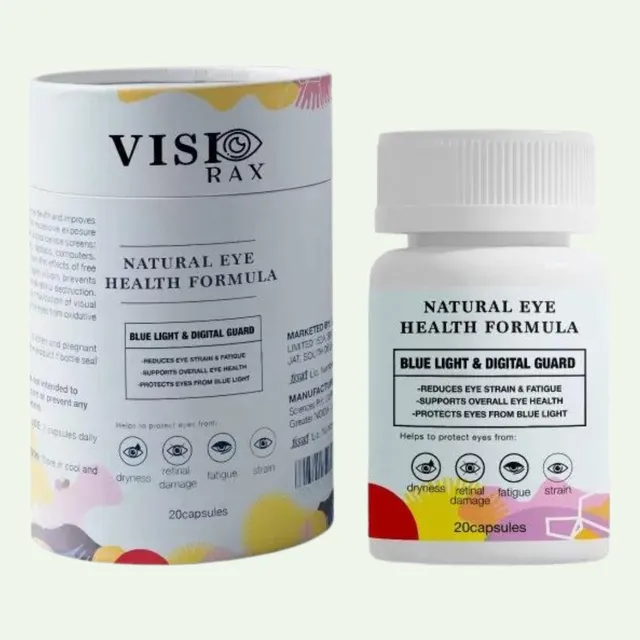
Visiorax Capsule
4.519 reviews
₹2,449MRP ₹2,490
Delivery in 2–5 days · COD available2–5 days · COD

Triphala and amla based eye drops and tablets used for tired eyes and vision support.
Ayurvedic wellness products support a healthy routine. They are not intended to diagnose, treat, cure or prevent any disease. If you have a medical condition, are pregnant or nursing, or take medicines, speak to a qualified practitioner first.
Long hours on phones, laptops and books can leave the eyes feeling tired and strained. Ayurveda has a long tradition of herbs described as good for the eyes, and products in this category bring some of them together. Start by choosing the form that fits your day. Then compare labels for the herbs used, the amount in each dose and the licence details.
These products are meant to support everyday eye comfort as part of a healthy routine. They suit simple habits like regular screen breaks, good lighting, enough sleep and a balanced diet.
Follow the directions on the pack and do not take more than advised. Herbal products are best used regularly over some weeks as part of a daily routine. Pregnant or nursing women, children and anyone with a medical condition or on medicines should ask a doctor first. If you have eye pain, redness, discharge or any sudden change in your vision, see an eye doctor promptly. Keep up your regular eye check-ups as well. Buy from a verified seller and check the return rule before you order.
Both can carry the same classical herbs. Capsules and tablets give an exact dose and are easy to take on busy days. Churna is often cheaper and can be mixed with water, but the taste is strong. Choose the one you will take regularly.
Ask your doctor first, especially if you use prescribed eye drops or take medicines daily. Do not stop or change any medicine your doctor has given you.
Divide the net quantity on the pack by the number of capsules, tablets or spoons you take each day. Store the pack in a cool, dry place away from sunlight and close it well after each use.
Reviewed by Dr. Durga Chavan, BAMS (Reg. No. I-101312-A), Herbax Ayurveda.